Basement Flood Debris & Mud Cleanup
What This Service Includes
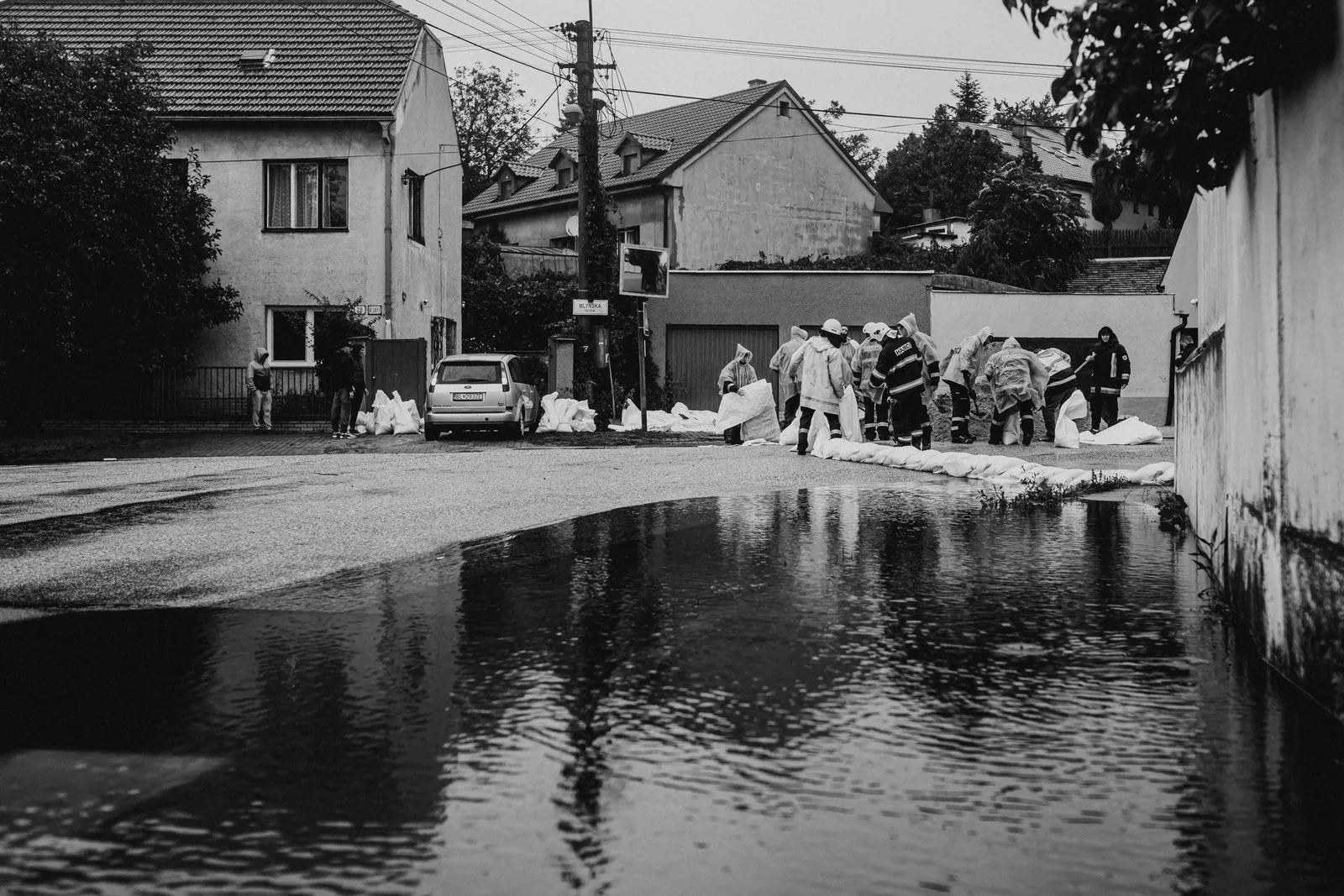
Basement flood debris and mud cleanup is the heavy first phase of storm-flood response: removing the mud, silt, sediment, and debris that floodwater deposits. Monsoon runoff and flash floods carry fine desert silt that settles into every crack, coats every surface, and clogs drains, and it must be removed before extraction equipment can work effectively and before drying can begin. Mud also hides damage: the real assessment of walls, floors, and finishes starts only after the silt is gone. This is physical, methodical work that sets up everything downstream.
When You Need It
- Monsoon runoff depositing inches of desert silt across basement floors.
- Flash-flood events carrying gravel, branches, and debris into walkout basements.
- Mud packed into floor drains, sump pits, and drainage channels, blocking further water management.
- Silt coating walls, fixtures, and stored items after water recedes.
- Sediment-filled window wells and stairwells blocking basement access.
- Agricultural or construction-area runoff depositing heavy sediment loads.
How the Work Proceeds
- Bulk debris removal
Large debris, branches, trash, displaced items, is removed by hand so equipment and crews can work. - Mud and silt extraction
Wet mud and silt are shoveled, scraped, and extracted. Timing matters: removing silt while still wet is far easier than after it dries to concrete-like hardness. - Drain and system clearing
Floor drains, sump pits, and drainage channels are cleared of sediment so water management functions during the rest of the cleanup. - Fine-sediment washing
Surfaces are washed down to remove fine silt films that hide damage and interfere with drying and sanitizing. - Damage assessment
With silt gone, the true damage to floors, walls, and finishes is assessed, mud often conceals the full picture. - Handoff to water extraction and drying
The basement, now clear of debris, proceeds to standard flood cleanup: extraction, drying, and verification.
Equipment Used
- Shovels, scrapers, and silt-removal tools
- Wet vacuums and trash pumps
- Pressure washing equipment
- Drain-clearing tools
- Debris hauling and disposal
What It Costs
Basement flood projects in Arizona typically range from $1,000 to $12,000 depending on the project, and every project is different. Where yours falls depends on the factors below. Be cautious of any quote given without moisture mapping of your actual basement, and of prices far outside this range without a clear, documented reason.
- Depth and volume of mud and silt
- Debris type and disposal requirements
- Whether drains and systems are clogged
- Access constraints for removal
- Square footage affected
When To Call
Call for debris and mud cleanup after any storm flood that deposited silt or debris, before attempting extraction or drying yourself. Removing mud while wet, clearing drains, and exposing the true damage are the foundation the entire restoration builds on.
Why Process Order Matters
Flood recovery fails when steps happen out of sequence. The order that works: safety and source control first (no point extracting water that is still pouring in), extraction before drying (removing liquid water beats evaporating it by orders of magnitude), demolition before drying (wet insulation behind drywall will not dry, it must come out), drying before rebuilding (closing walls over damp framing guarantees a second project), and verification before close-up (moisture readings, not touch tests). Shortcuts skip steps; proper sequencing prevents rework.
Frequently Asked Questions
Why not just let the mud dry and sweep it?
Dried desert silt bonds to concrete like cement and infiltrates every pore and crack, removal becomes dramatically harder, and the moisture trapped beneath it keeps feeding mold while you wait. Wet removal is faster, more complete, and prevents secondary damage.
Is flood mud dangerous?
Treat it as contaminated. Flood-deposited silt carries whatever the water crossed: chemicals, waste, debris, sharp objects. Protective equipment is standard, and thorough cleaning follows removal.
Can mud damage concrete floors?
The mud itself rarely damages sound concrete, but the moisture it holds against the slab prolongs saturation, and sediment ground into the surface by foot traffic can abrade finishes. Prompt removal protects both.
What about mud in my sump pit and drains?
Clearing them is part of the job, a sump pit packed with silt cannot pump, and clogged floor drains turn the next rain into the next flood. Debris cleanup includes restoring every drainage component to function.
How do you dispose of all that mud?
Hauled and disposed of according to local requirements. Contaminated sediment is handled as contaminated waste, not dumped where it can wash back toward the property or waterways.
Will my belongings buried in mud survive?
Nonporous items often clean up fine once the silt is washed off. Porous items saturated in muddy floodwater are assessed individually, the contamination level of the water, not just the mud, drives salvage decisions.
Basement Flood Debris & Mud Cleanup Across Arizona
Learn how this service applies to Arizona's specific flood conditions, monsoon storms, desert soils, and regional risks: Basement Flood Debris & Mud Cleanup in Arizona.
Popular Service Areas
Related Services
Related Guides
- How Much Does Basement Flood Cleanup Cost in Arizona?
- What to Do When Your Basement Floods in Arizona: A Step-by-Step Guide
- When Should You Call a Professional After a Basement Flood in Arizona?
Basement Flood Debris & Mud Cleanup, Call Now
Need basement flood debris & mud cleanup in Arizona? Call (800) 231-6861 now.
(800) 231-6861Call Now