
Basement Sump Pump Failure Cleanup in Arizona
Basement sump pump failure cleanup is a storm job with a mechanical cause. The pump was supposed to keep the water out, it stopped, and the pit overflowed across the floor. In Arizona that nearly always happens during a monsoon storm, because the same microburst that fills the pit also takes down the power the pump runs on. MH Restoration handles failed sump pump basement cleanup statewide.
Short answer
We bring our own pumps, take the water down, work out whether the pit held groundwater or sewage, remove what was contaminated, sanitize and dry. Sump overflow is treated as gray water at best. Ejector pit overflow is sewage.
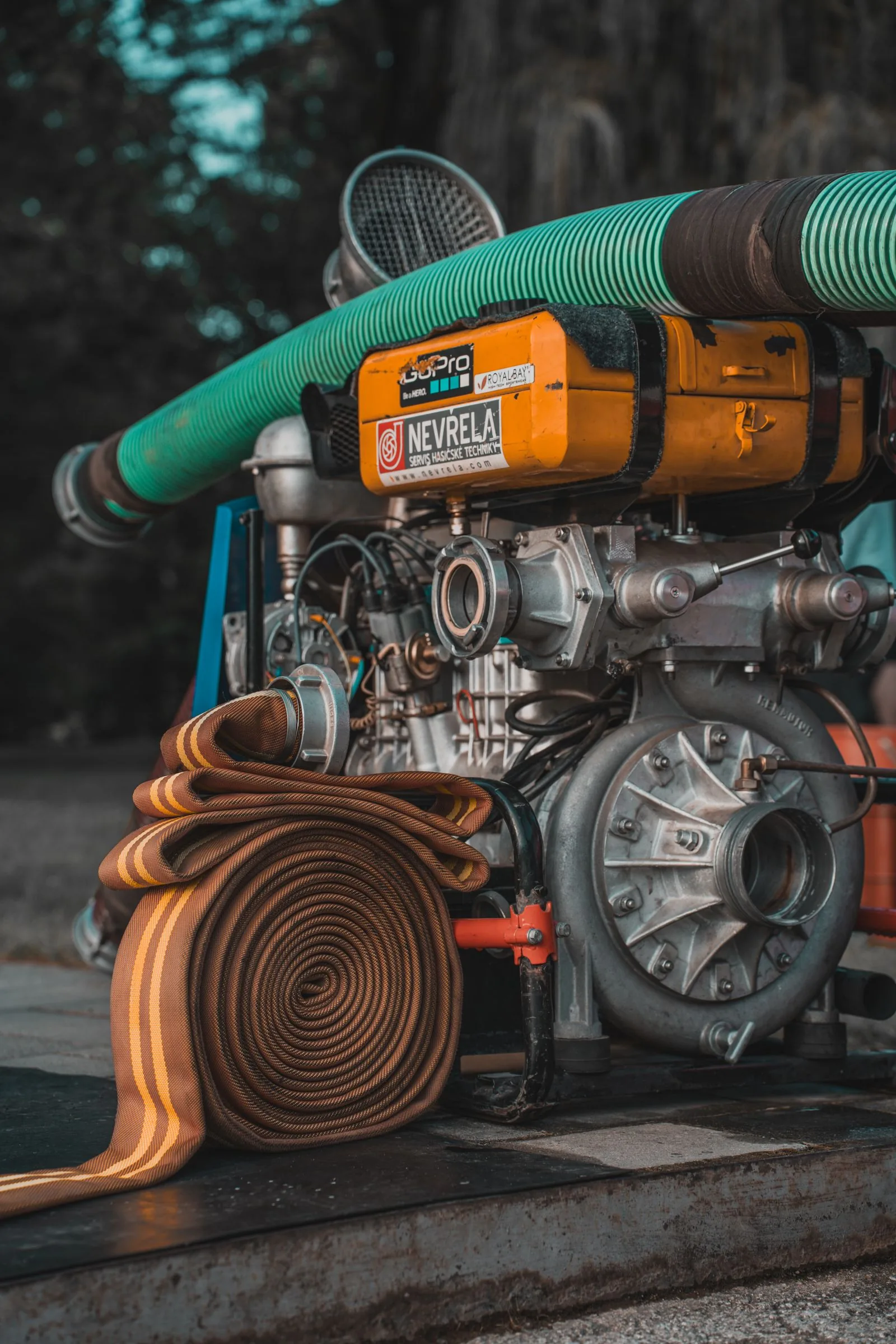
Sump Pump or Ejector Pump? In Arizona It's Often the Second
These get confused, and the difference changes the whole cleanup.
| Sump pump | Sewage ejector pump | |
|---|---|---|
| What it moves | Groundwater and drainage collected under or around the slab | Wastewater from a basement bathroom, laundry or bar sink |
| Pit | Open or loosely covered | Sealed lid with a vent pipe |
| How common here | Uncommon; found where groundwater or runoff is a known issue | Very common in Arizona basements with plumbing, since the sewer line usually leaves the house above basement floor level |
| If it overflows | Category 2 gray water | Category 3 sewage |
If your basement has a bathroom, you almost certainly have an ejector. When it fails and someone keeps flushing or running the washer, the pit backs up through the floor drain or the shower. That's a sewage backup cleanup, with everything that implies.
Why Do Sump Pumps Fail During Arizona Storms?
- Power outage. The big one. Monsoon winds take down lines across APS, SRP and TEP territory every summer. No power, no pump, and the storm doesn't wait.
- Stuck float switch. The float that tells the pump to start gets wedged against the pit wall or tangled in the cord.
- It hasn't run in months. A pump that sits dry from October to June can seize. The first storm of the season is its first test.
- Silt. Desert sediment washes into the pit and jams the impeller or clogs the intake.
- Blocked or disconnected discharge. The outlet is buried in landscape rock, crushed, or was never extended away from the house.
- Failed check valve. Pumped water runs straight back into the pit and the pump cycles until it burns out.
- Overwhelmed. The pump works, but an inch of rain in half an hour delivers more water than it can move.
What Should I Do When the Sump Pump Stops Working?
- Stay out of the water
The pump is an electrical appliance sitting in the flood. Cut power to the basement first. - Check the obvious, from dry ground
Tripped breaker or GFCI? Unplugged? If the neighborhood is dark, it's the outage. - Stop using basement plumbing
If there's an ejector pit, every flush and drain upstairs that routes to it makes things worse. Hold off. - Call for water removal
We arrive with pumps and generator power. (800) 231-6861. - Call a plumber for the pump
Replacing or repairing the pump is a plumbing job. Cleanup and repair can run side by side.
How Sump Pump Flood Cleanup Works
Once the water is down (see basement water removal), we look at the pit and the flood line to decide the category. Then:
- carpet pad comes out, and carpet too if the water was sewage or sat long;
- drywall and insulation are cut above the wet line where contaminated or saturated;
- the slab and lower walls are washed, extracted and treated with an antimicrobial;
- the pit itself is cleaned out so the replacement pump isn't sitting in sludge;
- drying equipment runs with daily readings until the structure meets the dry standard. See basement drying.
Is Sump Pump Failure Covered by Insurance?
Usually only if you bought the endorsement. A standard homeowners policy typically excludes water that backs up through sewers or drains or overflows from a sump. Coverage comes from an optional "water backup and sump overflow" endorsement, and its limit is often modest, commonly $5,000 to $25,000. If the pit overflowed because outside floodwater overwhelmed it, the insurer may treat the loss as flood, which needs a separate flood policy.
It's one phone call to your agent to find out whether you have the endorsement and what the limit is. Make that call before monsoon season, not after.
Basement flood projects in Arizona generally cost $3,000 to $12,000. Sump failures in finished basements, and anything involving an ejector pit, tend toward the higher half.
Before the Next Storm
- Add a battery backup pump or a water-powered backup. This addresses the most common failure outright.
- Test the pump in May: pour a bucket of water into the pit and watch it start, pump and shut off.
- Clear silt from the pit.
- Walk the discharge line and make sure it ends well away from the foundation.
- Fit a high-water alarm. A cheap one beeps; a Wi-Fi one texts you.
- Replace pumps on age, not on failure. Seven to ten years is a typical service life.
Sump Pump Failure FAQs
What happens when a sump pump fails during a storm?
Water entering the pit has nowhere to go, so the pit overflows onto the basement floor and keeps rising until the storm eases or the pump is restored. Finished basements can take on several inches within an hour.
Is water from a sump pit clean?
No. Sump water is groundwater and drainage that has been through soil, so it is treated as Category 2. If the pit is a sewage ejector, the overflow is Category 3.
Does homeowners insurance cover sump pump failure in Arizona?
Generally only with a water backup and sump overflow endorsement added to the policy. Without it, the resulting water damage is usually excluded.
Do you replace the sump pump?
Pump replacement is plumbing work. We remove the water with our own equipment, clean and dry the basement, and clean out the pit so a plumber can install the new pump.
How can I keep a sump pump running in a power outage?
Install a battery backup pump in the same pit, or a water-powered backup if your water pressure supports it. A portable generator also works if someone is home to start it.
References
- ANSI/IICRC S500 Standard for Professional Water Damage Restoration
- Arizona Department of Insurance and Financial Institutions, homeowners insurance consumer information