
Basement Burst Pipe Cleanup in Arizona
Pipe still running?
Shut the main water valve. On most Arizona homes it's at the front hose bib, or use the meter box at the curb. Then switch off power to the basement before going down.
Basement burst pipe cleanup deals with the cleanest water a basement can flood with and, oddly, some of the most widespread damage. A pressurized supply line doesn't seep. It sprays, inside a wall or across a ceiling, at several gallons a minute until someone closes the valve. MH Restoration handles burst pipe basement cleanup across Arizona, from slab-leak country in the Valley to frozen lines in Flagstaff.
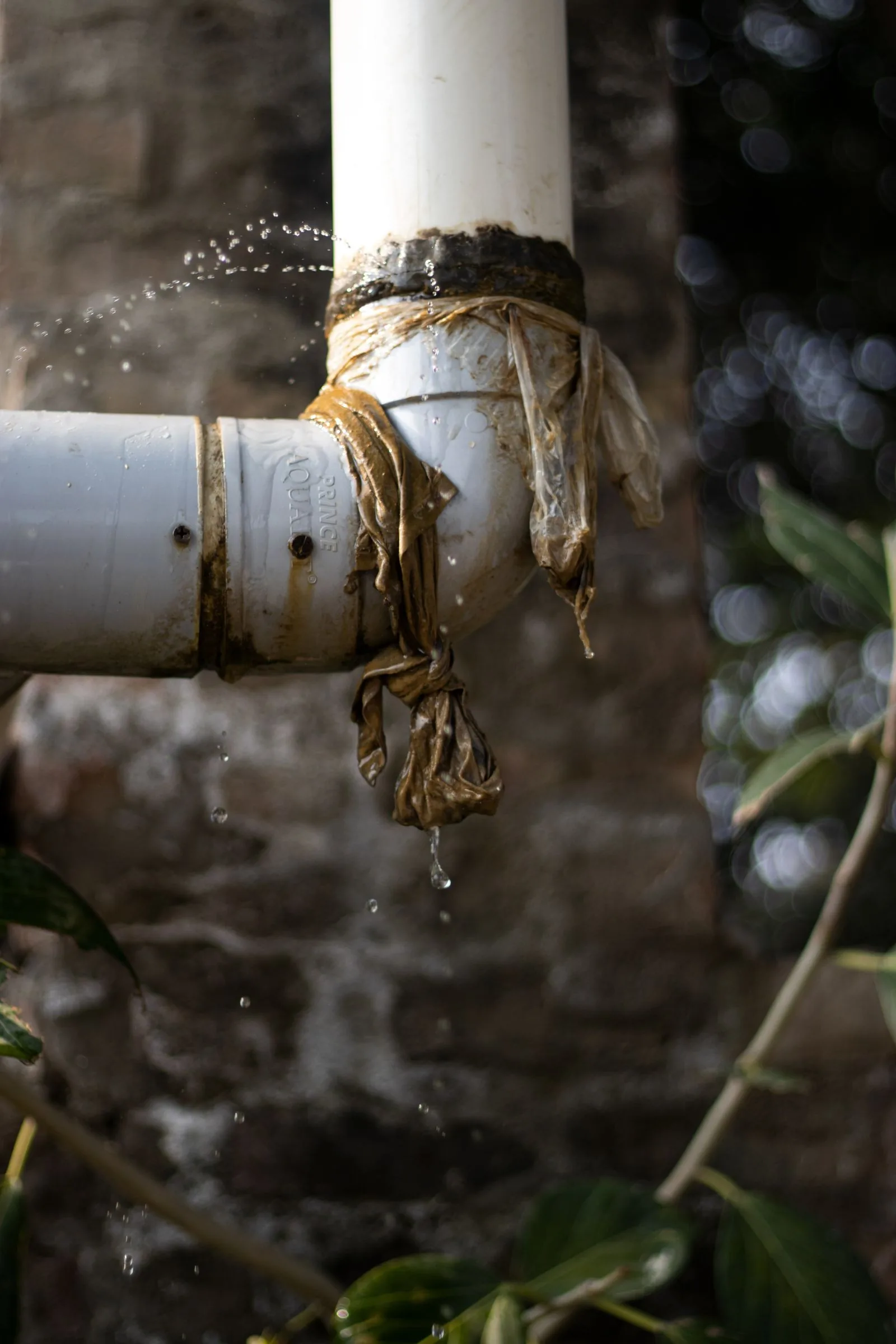
Why Do Pipes Burst in Arizona?
For different reasons in different parts of the state. Knowing which one applies helps your plumber and your insurance claim.
| Cause | Where we see it | What it looks like |
|---|---|---|
| Freezing | Flagstaff, Prescott, Show Low, Payson, Williams; vacation homes left unheated | A split along the pipe, found when it thaws |
| Hard water and corrosion | Statewide; pinholes in older copper | A fine spray inside a wall, a slowly growing stain |
| Failed fittings and supply hoses | Toilets, sinks and wet bars in finished basements | A braided hose or plastic nut that lets go all at once |
| Aging pipe materials | Homes from the 1970s through the 1990s with galvanized or polybutylene lines | Repeated leaks in different spots |
| High water pressure | Homes with a failed pressure regulator | Leaks at joints and appliance connections |
In the low desert, a hard freeze is rare but not unheard of, and pipes on exterior walls or in uninsulated spaces here have no protection at all when it happens.
What Burst Pipe Water Does in a Basement
Water from a pipe break goes wherever gravity and framing take it, which is rarely just the floor.
- From above. A break on the main floor drains through the subfloor into the basement ceiling. Drywall ceilings hold water until they sag, then drop.
- Inside walls. A line in a stud bay fills the cavity, soaks the insulation and runs along the bottom plate into neighboring rooms.
- Into ductwork. Floor registers and basement supply ducts collect water. It has to be found and removed.
- Across the slab. It spreads under carpet, pad and floating floors well beyond the visible wet area.
How Broken Pipe Basement Cleanup Works
- Stop the water, make it safe
Main valve closed, power to wet circuits off. If a ceiling is bulging, we drain it through a small hole in a controlled way before it comes down. - Extract
Standing water and soaked carpet are extracted. Details on basement water removal. - Find the edges
Meters and thermal imaging trace how far the water ran through walls, ceilings and floors. Burst pipe losses are almost always bigger than they look. - Open only what needs opening
Access is cut at the break for the plumber. Wet insulation is pulled. Sound drywall is drilled behind the baseboard line for cavity drying where that will work. - Dry
Air movers, dehumidifiers and wall-cavity systems run with daily readings. See basement drying. - Verify and repair
Final readings are documented, then insulation, drywall and finishes go back.
Does a Burst Pipe Mean Tearing Out the Walls?
Usually not all of them. Because supply water is Category 1, clean, a lot can be dried in place if work starts quickly. Drywall that's still firm, framing and concrete can all be dried. What generally has to come out is insulation that got soaked, any ceiling drywall that sagged, and material that sat wet for days before the leak was found.
That last point matters. Clean water doesn't stay clean. If the break happened while you were away for a week, the same water is treated as Category 2 or 3 by the time you're home, and more has to be removed.
Plumber First or Cleanup First?
Both, and they don't have to wait on each other. Once the main is off, the emergency is over as far as new water goes. Call for cleanup right away so extraction starts, and have a plumber repair the line in parallel. We open the wall where the plumber needs access and work around them. What you don't want is a repaired pipe behind a wall nobody dried.
Will Insurance Cover a Burst Pipe in the Basement?
This is the basement flood most likely to be covered. Arizona's Department of Insurance and Financial Institutions notes that homeowners policies generally cover sudden and accidental water discharge from plumbing. Where claims run into trouble:
- Gradual leaks. A drip that's been going for months is usually excluded as a maintenance issue.
- Vacant homes. Many policies limit freeze coverage if the house was unoccupied and the heat wasn't maintained or the water wasn't shut off.
- The pipe itself. The policy typically pays for the damage and for access to the pipe, not for the plumbing repair.
Photograph the break before it's repaired and keep the failed part if you can. Most complete basement flood projects in Arizona cost between $3,000 and $12,000, and clean-water pipe breaks caught early tend to sit in the lower half of that.
If You Own a Second Home in the High Country
A large share of the frozen-pipe jobs we see are in houses that sat empty. Before you leave for the season: shut off the main, open the faucets to drain the lines, leave the heat set to at least the mid-50s, and ask a neighbor or property manager to walk through after every hard freeze. A Wi-Fi leak sensor on the basement floor costs less than one equipment-day.
Burst Pipe Cleanup FAQs
What should I do first when a pipe bursts in the basement?
Close the main water shutoff, then turn off electricity to the affected area before entering. Photograph the damage, move belongings off the floor if it is safe, and call for water extraction.
How long does burst pipe cleanup take?
Extraction is done the first day. Drying typically takes three to five days. Repairs to drywall and finishes follow and depend on how much had to be opened.
Is water from a burst pipe clean?
At first, yes. Supply-line water is Category 1. After about two days in contact with building materials it is treated as contaminated, which is why early cleanup saves materials.
Can a burst pipe cause mold?
Yes, if wet materials are not dried promptly. Insulation and drywall inside a closed wall can stay wet for weeks. EPA guidance is to dry within 24 to 48 hours.
Does insurance cover frozen pipe damage in a vacation home?
It depends on the policy. Many require that heat was maintained or the water was shut off and drained while the home was unoccupied. Check the freeze and vacancy language with your agent.
References
- ANSI/IICRC S500 Standard for Professional Water Damage Restoration
- Arizona Department of Insurance and Financial Institutions, homeowners insurance consumer information
- U.S. EPA mold and moisture guidance