Why Do Basements Flood During Arizona Monsoon Storms?
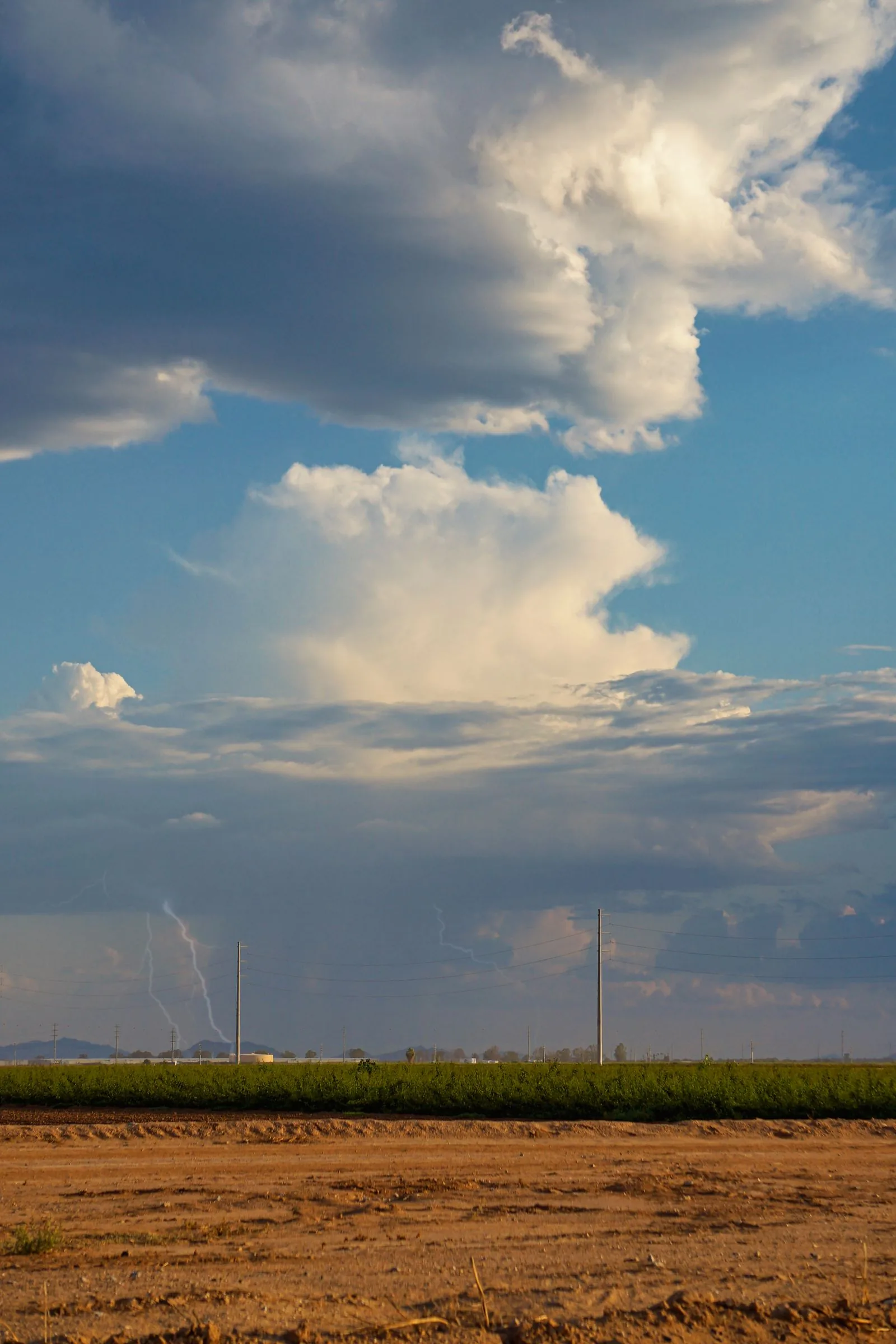
The monsoon mechanism, step by step
Step 1, Intense rainfall: monsoon thunderstorms, especially microbursts and slow-moving cells, drop 1–3+ inches of rain in under an hour. Step 2, Zero infiltration: baked desert soils, caliche hardpan, and urban pavement absorb almost nothing; nearly 100% becomes runoff. Step 3, Concentration: roofs, driveways, and graded lots funnel that runoff toward foundations, a 2,000-square-foot roof sheds over 1,200 gallons per inch of rain. Step 4, Drainage overwhelm: gutters, window-well drains, and grading sized for ordinary rain fail under cloudburst volume. Step 5, Entry: water pours through window wells, seeps through the floor-wall joint under hydrostatic pressure, exploits foundation cracks, or simply flows under doors. Step 6, Accumulation: below grade, there is nowhere for water to go but deeper.
Why desert soil makes it worse
It is counterintuitive: the desert floods worse than wetter climates. Loamy soils in rainy regions absorb rainfall gradually; Arizona's caliche and baked desert pavement absorb almost none. The infiltration rate, not the rainfall total, determines flooding, and desert infiltration rates are among the lowest anywhere. Add urbanization: every new rooftop, driveway, and parking lot converts absorbent desert to runoff generator, increasing flood intensity for the entire downstream neighborhood with each development cycle.
The entry points, ranked by frequency
Window wells are the #1 monsoon entry point, below-grade bowls that collect roof and yard runoff and pour it through basement windows. Floor-wall joints come next: hydrostatic pressure from saturated soil forces seepage up through the cove joint. Foundation cracks admit water under pressure. Door thresholds on walkout basements are overtopped by sheet flow. Sewer backups occur when municipal systems surcharge. Sump failures coincide with the power outages storms cause. Each entry point has a specific fix, which is why post-flood diagnosis matters as much as cleanup.
Why 'it never flooded before' is not protection
Three reasons a dry history ends in a wet basement. Exceptional intensity: drainage designed for the 10-year storm fails in the 100-year cell, and monsoon variability delivers exceptional cells regularly. Changed conditions: new upslope development, altered grading, clogged drains, or grown-over swales changed the water's path since the last big storm. Compound events: saturated soil from earlier storms means the next cell's rainfall becomes 100% runoff, the third storm in a wet week floods basements the first two did not.
What this means for your basement
If your basement flooded in a monsoon storm, the water was contaminated (Category 3) regardless of appearance, it crossed soil, streets, and drainage infrastructure. The entry point that failed will fail again in the next intense cell unless corrected. And the flood's timing within the season matters: early-season floods warn you to harden before the peak; late-season floods end the threat but start the mold clock in still-warm conditions. Every monsoon flood is both a cleanup project and a diagnostic opportunity.
Breaking the cycle
The properties that stop flooding share corrections matched to their entry points: window-well drains and covers, downspout extensions discharging far from the foundation, regraded slopes, cleared drainage channels, sump pumps with battery backup, and backwater valves where sewer surcharge is the path. None of these are exotic; all of them are cheaper than the next cleanup. Our prevention guide details the full pre-monsoon checklist.
Frequently Asked Questions
How much rain does it take to flood a basement in Arizona?
Less than you would think, a single intense cell dropping 1–2 inches in an hour can do it if drainage is overwhelmed. It is intensity, not total rainfall, that floods basements: the drainage system's capacity is the threshold, and monsoon cells routinely exceed it.
Why does the street flood but my neighbor's basement stays dry?
Micro-topography and drainage details: grading slopes, gutter discharge points, window-well condition, foundation waterproofing, and even a few inches of elevation difference decide which basement floods. Two adjacent homes can have entirely different outcomes.
Do monsoon floods happen every year?
Monsoon season runs June 15–September 30 every year, but intensity varies. Some seasons bring repeated flooding events; others are quieter. The variability is the risk, quiet years breed complacency that intense years punish.
Can flooding happen without rain at my house?
Yes, runoff travels. Rain falling upslope or upstream can arrive as sheet flow or wash flooding without a drop falling on your roof. This is why 'it wasn't even raining here' is a common and confused post-flood statement.
Is monsoon flooding getting worse?
Development increases runoff intensity for downstream properties with each cycle, and climate variability affects storm intensity. The trend for any given property depends on its specific drainage context, which is why periodic drainage assessment matters more than historical calm.
Sources
- National Weather Service, Monsoon and flash-flood information for Arizona.
- Arizona Department of Emergency and Military Affairs, Monsoon preparedness guidance.
Related Guides
- How to Prevent Basement Flooding Before the Next Arizona Monsoon
- Can a Basement Flood in Arizona Even If Your Home Is Outside a FEMA Flood Zone?
- What Are the First Safety Steps After a Basement Flood in Arizona?
Related Services
Questions About Basement Flooding?
Call MH Restoration at (800) 231-6861, serving all of Arizona.
(800) 231-6861Call Now