Basement Storm & Flood Cleanup in Tempe, AZ
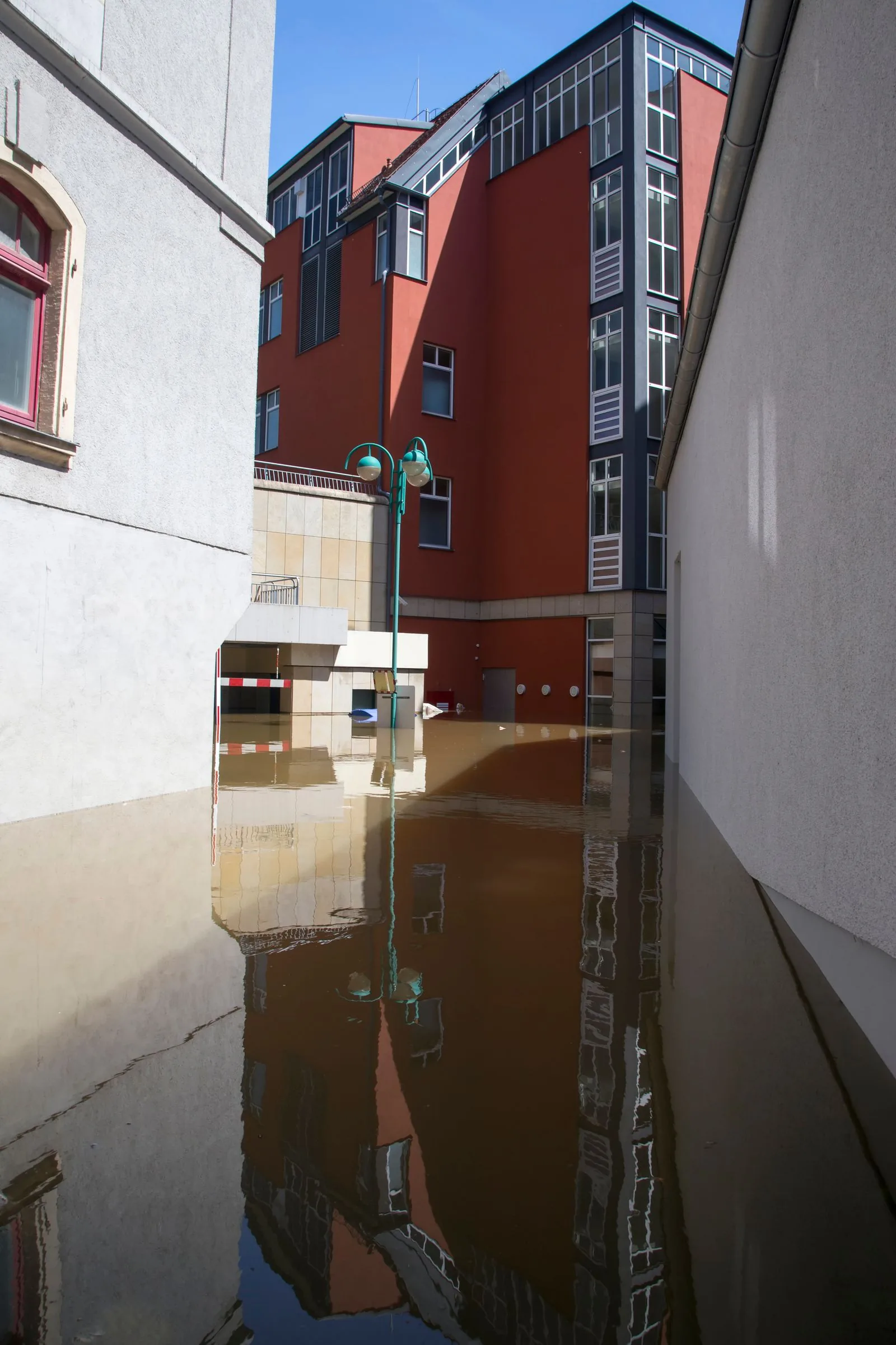
Basement Flood Help in Tempe, Maricopa County
MH Restoration provides basement storm & flood cleanup in Tempe, Arizona, serving ZIP codes 85281, 85282, 85283, 85284 and nearby communities across Maricopa County in the Phoenix Metro region.
Summer monsoon storms drop intense rainfall onto hard desert soils and vast expanses of pavement, generating rapid runoff that overwhelms drainage in minutes. Basements here are less common than in northern Arizona, but where they exist, in older homes, custom builds, and hillside properties, they face the state's most intense cloudburst flooding.
How To Tell if This Is Your Problem
Matching the symptom to the source is what makes the fix work. Useful diagnostics:
- Timing: does water appear during or right after rain (drainage/storm source), or at random times (plumbing/appliance source)?
- Location: near a specific appliance or pipe run points to that system; along the floor-wall joint points to hydrostatic pressure; at windows points to window-well drainage.
- Water character: clear and odorless suggests a supply-line source; odors or discoloration suggest sewage or exterior contamination.
- History: a first-time event after a major storm differs from recurring seepage, the first needs emergency response, the second needs diagnosis plus response.
Professional assessment with moisture mapping confirms the source rather than guessing, and the source determines the entire scope of work.
When You Need This Service
- Wind-driven rain forced through basement window wells, vents, or door thresholds.
- Street flooding that reaches the property and enters walkout or daylight basements.
- Hillside runoff channeled toward homes in foothill and mountain communities.
- Successive storms saturating soil so each additional rain produces more runoff than the last.
How the Work Proceeds
- Storm damage assessment
Entry points are identified, where the water came in determines both the cleanup plan and the prevention advice. Exterior grading, gutters, and drainage are inspected. - Debris and mud removal
Stormwater carries sediment and debris; bulk mud and debris are removed before extraction so equipment works on water, not sludge. - Contaminated-water extraction
Stormwater is handled as Category 3: full protective protocols, aggressive removal of contaminated porous materials. - Structural drying
Framing, masonry, and cavities are dried and verified, storm saturation is often deep because water enters under pressure. - Sanitizing
Surfaces contacted by stormwater are cleaned and disinfected. - Entry-point and drainage review
The homeowner receives a clear explanation of how water entered and what exterior improvements would reduce future risk.
Equipment Used
- Debris-handling and mud-removal tools
- High-capacity extraction equipment
- LGR dehumidifiers and air movers
- Protective equipment for contaminated water
- Moisture verification instruments
What It Costs
Basement flood projects in Arizona typically range from $1,000 to $12,000 depending on the project, and every project is different. Where yours falls depends on the factors below. Be cautious of any quote given without moisture mapping of your actual basement, and of prices far outside this range without a clear, documented reason.
- Mud and debris volume requiring removal
- Water category and contamination level
- Number and size of entry points needing attention
- Extent of structural drying
- Whether exterior drainage corrections are included
When To Call a Professional
Call for storm and flood cleanup as soon as stormwater has entered your basement and conditions are safe for a crew to work. Storm flooding combines contamination, debris, and structural saturation, it needs professional handling from the start, plus an honest assessment of how the water got in so you can prevent a repeat.
Frequently Asked Questions
What should I do while waiting for cleanup after a storm flood?
Stay out of the water. If safe, shut off electricity to the basement at the breaker. Move valuables to higher ground if you can do so safely. Document damage with photos. Do not start pumping if electrical hazards exist.
How does water get in during a storm if my basement never leaked before?
Extreme rainfall exceeds the design capacity of grading, gutters, and drainage that handle normal rain fine. Soil saturation, debris-clogged drains, or a single overwhelmed window well can turn a previously dry basement wet in one exceptional storm.
Should I fix my drainage after storm flooding?
Yes, the flood showed you exactly where the system failed. Grading corrections, downspout extensions, window-well covers or drains, and cleared drainage channels are far cheaper than a second cleanup. The best time to fix drainage is right after seeing it fail.
Does homeowners insurance cover storm flooding?
Rain entering through storm-created openings (like wind-damaged windows) may be treated differently than rising surface water, which standard policies generally exclude as flooding. The distinction matters, document exactly how water entered, with photos.
Related Services in Tempe
Basement Storm & Flood Cleanup Nearby
Related Guides
- Why Do Basements Flood During Arizona Monsoon Storms?
- How to Prevent Basement Flooding Before the Next Arizona Monsoon
- What to Do When Your Basement Floods in Arizona: A Step-by-Step Guide
Basement Storm & Flood Cleanup in Tempe, Call Now
Basement flooding in Tempe? MH Restoration provides basement storm & flood cleanup across Maricopa County. Call (800) 231-6861 now.
(800) 231-6861Call Now