Basement Monsoon Flood Cleanup in Blue Gap, AZ
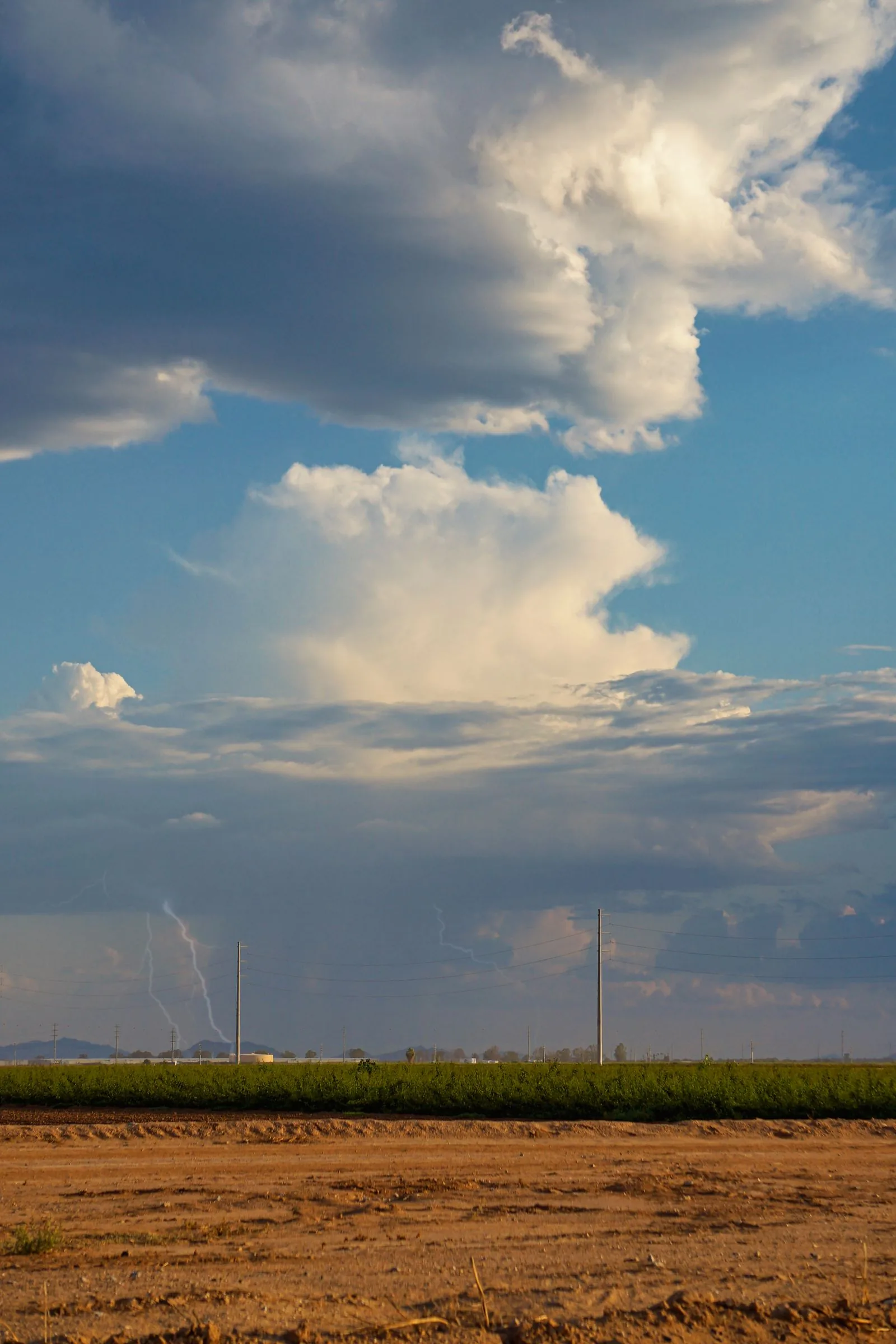
Basement Flood Help in Blue Gap, Apache County
MH Restoration provides basement monsoon flood cleanup in Blue Gap, Arizona, serving ZIP code 86520 and nearby communities across Apache County in the Northern Arizona region.
Sump and drainage systems overwhelmed by the combined snowmelt-plus-spring-rain period. A flooded northern Arizona basement typically means flooded living space, not just storage, raising the stakes of every water event and the value of fast professional response.
How To Tell if This Is Your Problem
Matching the symptom to the source is what makes the fix work. Useful diagnostics:
- Timing: does water appear during or right after rain (drainage/storm source), or at random times (plumbing/appliance source)?
- Location: near a specific appliance or pipe run points to that system; along the floor-wall joint points to hydrostatic pressure; at windows points to window-well drainage.
- Water character: clear and odorless suggests a supply-line source; odors or discoloration suggest sewage or exterior contamination.
- History: a first-time event after a major storm differs from recurring seepage, the first needs emergency response, the second needs diagnosis plus response.
Professional assessment with moisture mapping confirms the source rather than guessing, and the source determines the entire scope of work.
When You Need This Service
- Power outages during storms disabling sump pumps at peak inflow.
- Habob-driven rain overwhelming gutters and dumping roof runoff against foundations.
- Flash-flood runoff from washes and streets reaching properties never previously flooded.
- Back-to-back storm cells hitting before the previous flood's damage was addressed.
How the Work Proceeds
- Monsoon damage assessment
Entry points are mapped with monsoon dynamics in mind: which failed under cloudburst intensity versus sustained rain, different failures need different fixes. - Emergency water control
Active inflow is managed: emergency pumping, diversion, and source control while the storm threat continues. - Mud and debris removal
Monsoon silt and debris are removed while wet, and drainage components are cleared to function for the next storm. - Contaminated-water extraction
Monsoon floodwater is Category 3, full protocols for extraction, material removal, and sanitizing. - Structural drying with season awareness
Drying accounts for monsoon humidity spikes; equipment is sized for the season's conditions, not ideal lab conditions. - Storm-hardening review
Before the crew leaves, the homeowner understands what failed and what to fix before the next storm, because monsoon season is not over.
Equipment Used
- High-capacity emergency pumps
- Mud and debris removal tools
- Category 3 extraction and protective equipment
- LGR dehumidifiers sized for humid-season operation
- Moisture verification instruments
What It Costs
Basement flood projects in Arizona typically range from $1,000 to $12,000 depending on the project, and every project is different. Where yours falls depends on the factors below. Be cautious of any quote given without moisture mapping of your actual basement, and of prices far outside this range without a clear, documented reason.
- Storm intensity and flood volume
- Mud and debris load
- Number of entry points
- Whether the season's remaining storms require interim protections
- Extent of structural drying in humid-season conditions
When To Call a Professional
Call at the first sign of monsoon-season basement flooding, and call in June for a pre-season assessment if your basement has ever been wet. Monsoon floods reward speed twice: fast cleanup limits damage, and fast storm-hardening prevents the season's next cell from repeating it.
Frequently Asked Questions
Do you offer emergency response during active storms?
Yes, with safety as the constraint. Crews respond as soon as conditions allow safe work; during the storm itself, the priority is guidance: what to do, what not to touch, and how to document. Post-storm response is immediate.
When is Arizona's monsoon season?
Officially June 15 through September 30. The most intense basement-flooding storms typically arrive July through September, when moisture-fueled downpours, microbursts, and flash flooding peak. Basement flood risk concentrates in these months, preparation in June beats reaction in August.
Why is monsoon flooding worse than regular rain flooding?
Intensity and speed: monsoon cells drop inches of rain in minutes onto hard desert soils that cannot absorb it, creating instant runoff that overwhelms drainage sized for gentler rain. The water is also dirtier, dust, debris, and surface contaminants mobilized by the storm's leading edge.
What should I do before monsoon season?
Clean gutters and drains, extend downspouts away from the foundation, verify grading slopes away from the house, test sump pumps and consider battery backup, check window-well drains and covers, and clear any drainage channels. Arizona emergency guidance specifically recommends drain and gutter maintenance plus sump-pump battery backup consideration.
Related Services in Blue Gap
Basement Monsoon Flood Cleanup Nearby
Related Guides
- Why Do Basements Flood During Arizona Monsoon Storms?
- How to Prevent Basement Flooding Before the Next Arizona Monsoon
- Can a Basement Flood in Arizona Even If Your Home Is Outside a FEMA Flood Zone?
Basement Monsoon Flood Cleanup in Blue Gap, Call Now
Basement flooding in Blue Gap? MH Restoration provides basement monsoon flood cleanup across Apache County. Call (800) 231-6861 now.
(800) 231-6861Call Now