Basement Drying & Dehumidification in Sun Valley, AZ
Basement Flood Help in Sun Valley, Navajo County
MH Restoration provides basement drying & dehumidification in Sun Valley, Arizona, serving ZIP code 86029 and nearby communities across Navajo County in the Northern Arizona region.
Undersized or aging drainage in mountain subdivisions built for views, not water management. This means the region's basements are often finished, furnished, and heavily used: family rooms, bedrooms, and home offices at 7,000 feet.
The Science in Brief
Drying is not waiting, it is managed moisture removal. Professional structural drying balances three variables: air movement across wet surfaces (to carry moisture into the air), dehumidification (to pull that moisture out of the air so evaporation continues), and temperature (warmer air holds more moisture). Progress is measured with moisture meters against dry standards for each material, wood, drywall, and concrete each have their own targets. The job is done when readings confirm it, not when surfaces feel dry.
When You Need This Service
- Basements with persistent musty odors indicating hidden moisture in walls or under flooring.
- Post-extraction drying where thorough mechanical water removal has been completed.
- Concrete slabs and masonry walls holding deep moisture after surface water receded.
- Finished basements where drying must be achieved with minimal demolition wherever materials are salvageable.
How the Work Proceeds
- Dry-standard establishment
Moisture readings are taken from unaffected materials in the home to establish what 'dry' means for this specific structure, the target every reading is compared against. - Equipment placement
Dehumidifiers and air movers are positioned based on the moisture map: airflow across wet surfaces, dehumidification sized to the cubic footage and moisture load. - Daily monitoring
Technicians record moisture readings, temperature, and humidity daily, repositioning equipment as drying progresses and materials release moisture at different rates. - Cavity and hidden-area drying
Wall cavities, under-stair voids, and behind-baseboard areas receive directed airflow or targeted access so trapped moisture is not left to cause later mold. - Verification
When readings reach the dry standard across all affected materials, including hidden areas, drying is verified complete with documented final readings. - Equipment removal and report
Equipment is removed and the homeowner receives the drying log: initial, daily, and final readings proving the structure is dry.
Equipment Used
- Low-grain refrigerant (LGR) dehumidifiers
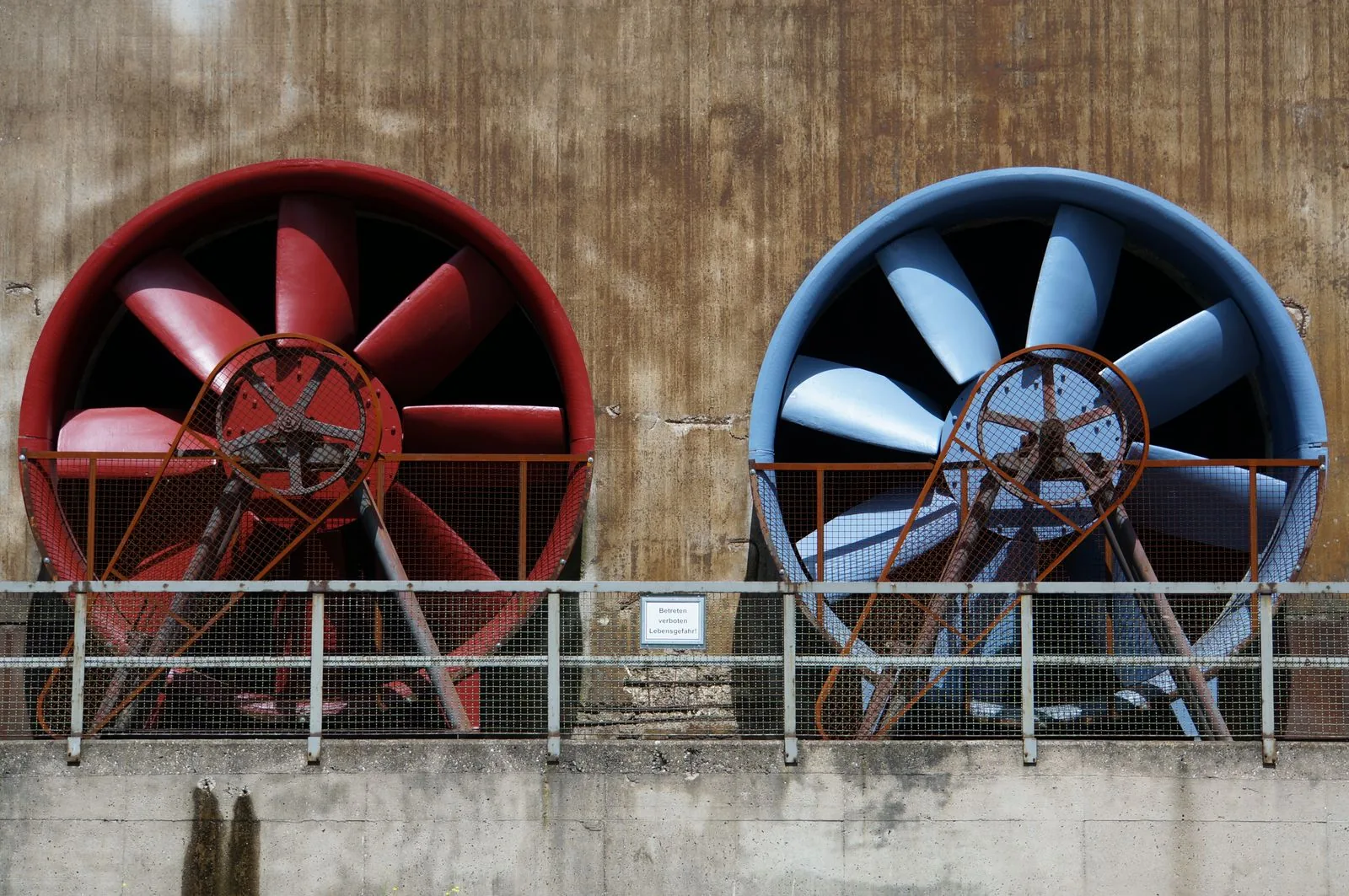
- High-velocity axial air movers
- Pin and pinless moisture meters
- Thermo-hygrometers for psychrometric readings
- Thermal imaging cameras for hidden moisture
What It Costs
Basement flood projects in Arizona typically range from $1,000 to $12,000 depending on the project, and every project is different. Where yours falls depends on the factors below. Be cautious of any quote given without moisture mapping of your actual basement, and of prices far outside this range without a clear, documented reason.
- Cubic footage and square footage of the drying chamber
- Number of days equipment must run
- Quantity of dehumidifiers and air movers required
- Severity of saturation and material types
- Monitoring visit frequency
When To Call a Professional
Call for professional basement drying whenever materials are saturated beyond what surface evaporation will handle in a day or two, soaked drywall, wet insulation, saturated subfloors, or any flood where you cannot verify hidden cavities are dry. The cost of professional drying is small compared to the cost of mold remediation or reconstruction caused by incomplete drying.
Frequently Asked Questions
How long does basement drying take?
Typically 3–5 days for standard residential flooding, longer for deep saturation, dense materials like concrete, or water trapped in cavities. Drying is done when moisture readings reach the dry standard, not when a set number of days pass. Anyone promising a fixed drying time without measuring is guessing.
Can I just run my own dehumidifier and fans?
A household dehumidifier moves a fraction of the moisture a commercial LGR unit handles, and without moisture meters you cannot verify hidden areas. For minor dampness it may suffice; for post-flood saturation it leaves hidden moisture that becomes mold and odor later.
Why does drying take days if the water is already gone?
Because the water is not gone, it is absorbed into drywall, wood, concrete, and insulation. Evaporating bound moisture from dense materials takes sustained controlled airflow and dehumidification. Rushing it by cranking heat without dehumidification can actually drive moisture deeper.
What is a 'dry standard'?
The moisture content of unaffected materials in the same structure, your home's normal. Drying targets that specific number for each material type, measured with calibrated meters, rather than an arbitrary guess.
Related Services in Sun Valley
Basement Drying & Dehumidification Nearby
Related Guides
- How Long Does It Take to Dry a Flooded Basement in Arizona?
- How Quickly Can Mold Grow After a Basement Flood in Arizona?
- Can You Clean Up a Flooded Basement Yourself in Arizona? DIY vs Professional Help
Basement Drying & Dehumidification in Sun Valley, Call Now
Basement flooding in Sun Valley? MH Restoration provides basement drying & dehumidification across Navajo County. Call (800) 231-6861 now.
(800) 231-6861Call Now