Basement Water Heater Flood Cleanup in Many Farms, AZ
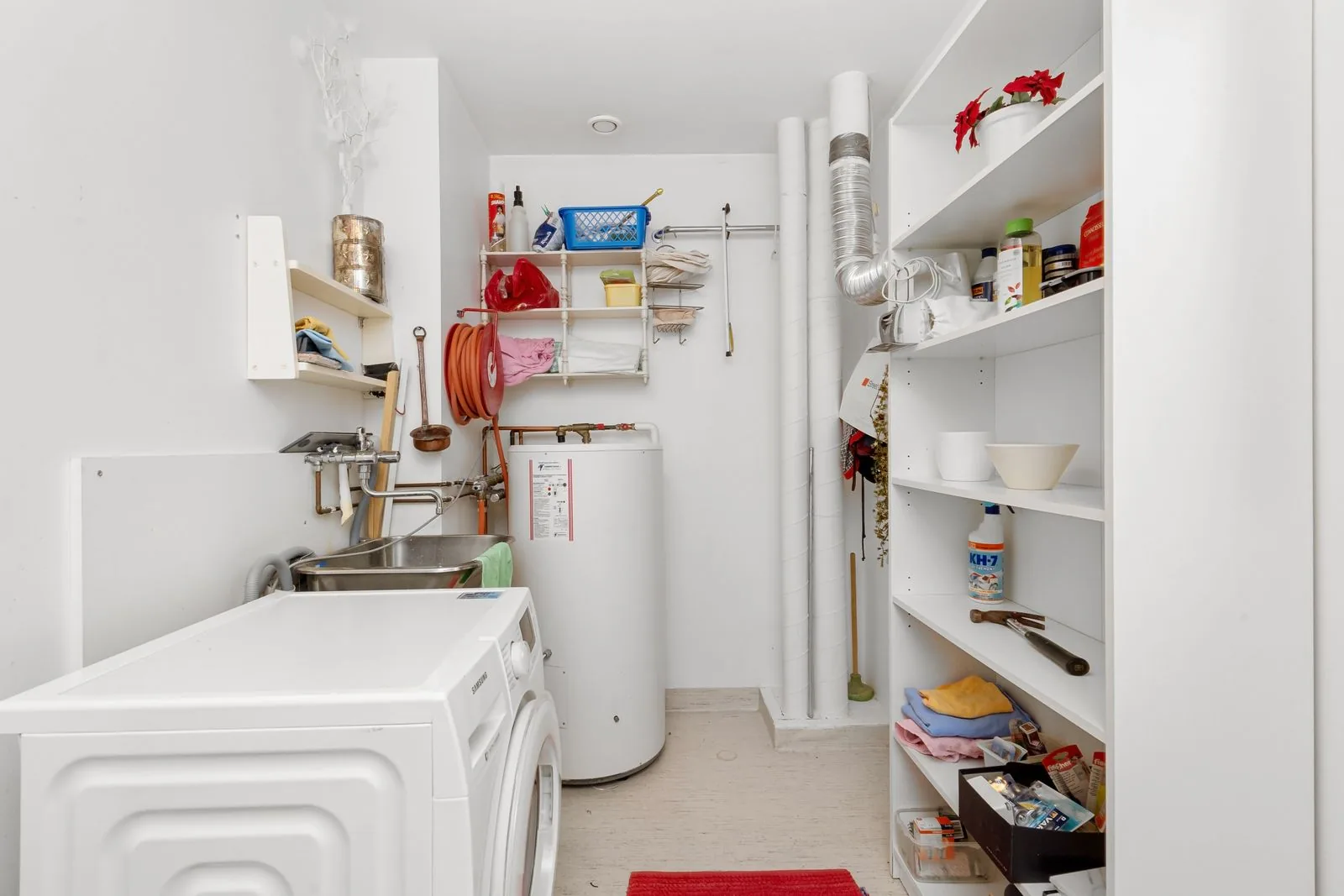
Basement Flood Help in Many Farms, Apache County
MH Restoration provides basement water heater flood cleanup in Many Farms, Arizona, serving ZIP code 86538 and nearby communities across Apache County in the Northern Arizona region.
Freeze-thaw cycles cracking foundations and bursting pipes in winter. Sump and drainage systems overwhelmed by the combined snowmelt-plus-spring-rain period.
How To Tell if This Is Your Problem
Matching the symptom to the source is what makes the fix work. Useful diagnostics:
- Timing: does water appear during or right after rain (drainage/storm source), or at random times (plumbing/appliance source)?
- Location: near a specific appliance or pipe run points to that system; along the floor-wall joint points to hydrostatic pressure; at windows points to window-well drainage.
- Water character: clear and odorless suggests a supply-line source; odors or discoloration suggest sewage or exterior contamination.
- History: a first-time event after a major storm differs from recurring seepage, the first needs emergency response, the second needs diagnosis plus response.
Professional assessment with moisture mapping confirms the source rather than guessing, and the source determines the entire scope of work.
When You Need This Service
- Failed T&P relief valves discharging repeatedly onto floors and into wall bases.
- Corroded supply or drain fittings dripping into utility closets and spreading outward.
- Water heater pan overflows where the pan drain was clogged or absent.
- Replacement-installation discoveries, old damage found when swapping an aging unit.
How the Work Proceeds
- Source control
Water supply to the heater is shut off and the tank drained if still leaking. A plumber handles heater repair or replacement; the cleanup team handles the water damage. - Damage-pattern assessment
Slow leaks create different damage than ruptures: moisture mapping traces how far chronic dampness migrated into subfloors, wall bases, and framing around the heater location. - Extraction
Standing water is removed, including water trapped under the heater platform and in surrounding low areas. - Saturated-material removal
Chronically wet drywall, insulation, and subfloor sections that will not dry reliably are removed, long-term saturation often means replacement, not drying. - Structural drying
Framing, remaining subfloor, and masonry are dried and verified with moisture readings. - Rebuild preparation
The area is left clean, dry, and documented, ready for the new heater installation and any finish repairs.
Equipment Used
- Portable extractors and wet vacuums
- Moisture meters for chronic-saturation mapping
- LGR dehumidifiers and air movers
- Demolition tools for saturated materials
- HEPA vacuums
What It Costs
Basement flood projects in Arizona typically range from $1,000 to $12,000 depending on the project, and every project is different. Where yours falls depends on the factors below. Be cautious of any quote given without moisture mapping of your actual basement, and of prices far outside this range without a clear, documented reason.
- Rupture versus slow leak, chronic saturation costs more to remediate
- Whether subfloor or framing requires replacement
- Size of the affected area around the unit
- Finish level of the surrounding basement
- Whether heater replacement happens simultaneously
When To Call a Professional
Call when a water heater failure has flooded or saturated your basement, especially slow leaks discovered late, where hidden saturation is the real problem. Shut off the water supply to the heater first, then get professional assessment: chronic hot-water saturation damages structure in ways surface drying cannot fix.
Frequently Asked Questions
Can a drain pan prevent this?
A properly installed pan with a working drain line to the exterior or a floor drain catches slow leaks and minor discharges, but it cannot contain a full tank rupture, and a clogged pan drain renders it useless. Pans help; they are not flood-proofing.
What maintenance prevents water heater floods?
Annual flushing to remove sediment, periodic anode-rod inspection, checking the T&P valve, and inspecting supply connections. In hard-water areas of Arizona, a water softener or regular flushing schedule meaningfully extends tank life.
How do I know if my water heater is leaking slowly?
Warning signs: dampness or staining around the heater base, a musty smell in the utility area, the pan holding water, corrosion on fittings, or unexplained moisture on nearby drywall. Feel the floor around the unit periodically, early detection saves thousands.
How long do water heaters last?
Conventional tank heaters typically last 8–12 years depending on water quality and maintenance. Arizona's hard water can shorten tank life through sediment buildup and corrosion. If yours is over 10 years old, proactive replacement is cheaper than flood cleanup.
Related Services in Many Farms
Basement Water Heater Flood Cleanup Nearby
Related Guides
- Why Is Water Coming Through My Basement Floor or Walls in Arizona?
- Basement Flooding With No Visible Leak: Where Is the Water Coming From?
- What to Do When Your Basement Floods in Arizona: A Step-by-Step Guide
Basement Water Heater Flood Cleanup in Many Farms, Call Now
Basement flooding in Many Farms? MH Restoration provides basement water heater flood cleanup across Apache County. Call (800) 231-6861 now.
(800) 231-6861Call Now