Basement Black & Contaminated Water Cleanup in Indian Wells, AZ
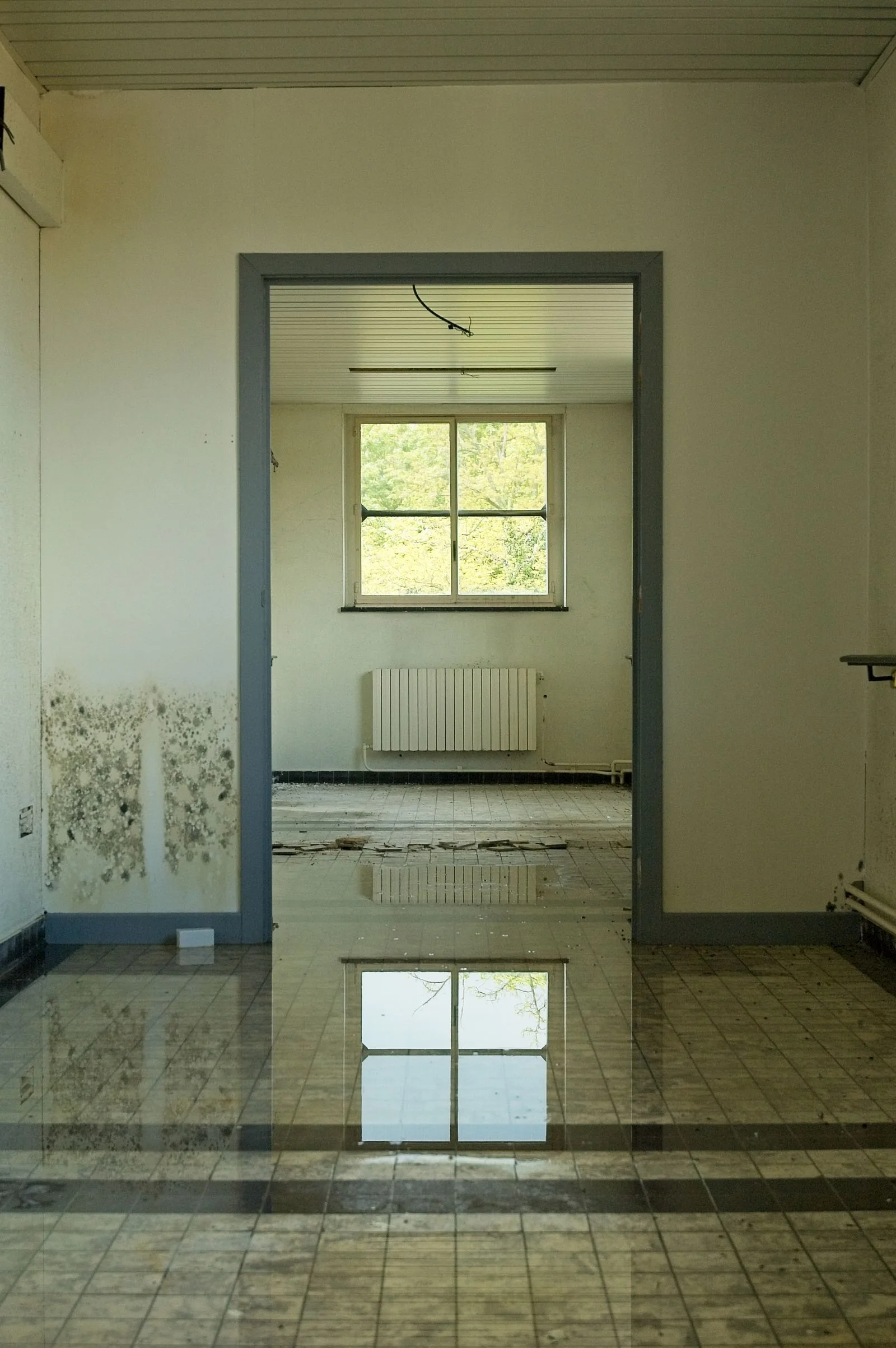
Contaminated water requires professional handling. Sewage and floodwater carry bacteria, viruses, and other pathogens. Avoid bare-skin contact, keep children and pets away from affected areas, and do not attempt cleanup with household mops and cleaners. Professional remediation uses containment, protective equipment, removal of contaminated porous materials, and proper sanitizing, because surface cleaning does not make sewage-contaminated materials safe.
Basement Flood Help in Indian Wells, Navajo County
MH Restoration provides basement black & contaminated water cleanup in Indian Wells, Arizona, serving ZIP code 86031 and nearby communities across Navajo County in the Northern Arizona region.
Flood sources multiply with elevation: summer monsoon storms intensified by mountain terrain, winter snowmelt saturating soils in spring, freeze-thaw cycles stressing foundations and pipes, and wildfire burn scars converting forested slopes into runoff chutes. Winter temperatures routinely drop below freezing, bringing burst-pipe risk and freeze-thaw foundation stress.
When You Need This Service
- Sewage-tainted flooding from backups or septic failures.
- Gray-water flooding from washing machines, dishwashers, or sump systems handling drain water.
- Floodwater of unknown origin where contamination cannot be ruled out.
- Standing water that has sat long enough for clean water to degrade to gray or black.
Equipment Used
- Category-rated extraction equipment
- Full protective equipment sets
- Containment and negative-air systems
- Professional disinfectants and antimicrobials
- HEPA air scrubbers and moisture verification tools
What It Costs
Basement flood projects in Arizona typically range from $1,000 to $12,000 depending on the project, and every project is different. Where yours falls depends on the factors below. Be cautious of any quote given without moisture mapping of your actual basement, and of prices far outside this range without a clear, documented reason.
- Water category, black water requires more demolition and sanitizing
- Volume and spread of contamination
- Types of materials affected
- Disposal requirements for contaminated debris
- Verification and documentation scope
When To Call a Professional
Call for contaminated water cleanup whenever floodwater came from outside, involves sewage or drains, or has sat long enough to degrade. If you are unsure of the water's category, treat it as contaminated and call, the downside of underestimating contamination is a health hazard sealed inside your home.
How the Work Proceeds
- Water categorization
The source, path, and condition of the water determine its category, and the category determines the entire response plan. - Containment
The work area is isolated so contaminants are not tracked or blown into clean areas of the home. - Extraction under protocol
Contaminated water is extracted with appropriate protective equipment and handling; equipment is decontaminated afterward. - Selective demolition
Porous materials contacted by Category 3 water are removed. Category 2 water allows more selective salvage decisions based on material and exposure time. - Cleaning and disinfection
Remaining structure is cleaned and treated with professional disinfectants appropriate to the contamination level. - Drying and clearance verification
The space is dried, verified, and documented as remediated before reconstruction.
Frequently Asked Questions
What protective gear do you use?
For contaminated water: respirators, protective suits, gloves, and eye protection as the baseline, scaled to the contamination level. Homeowners should not enter contaminated floodwater under any circumstances.
How is contaminated debris disposed of?
Bagged, sealed, and disposed of according to local regulations for contaminated waste, not simply set at the curb. Your cleanup team handles compliant disposal as part of the job.
After cleanup, is the basement safe?
When done properly, contaminated materials removed, structure cleaned and disinfected, drying verified, yes. Verification includes visual inspection, moisture readings, and documentation. That paper trail is your assurance.
What are the water categories?
Category 1 (clean): supply-line water, initially sanitary. Category 2 (gray): appliance discharge, sump water with contaminants, contains significant contamination. Category 3 (black): sewage, floodwater from outside, any water contacting soil or waste, grossly contaminated. Categories escalate over time and with contact.
Related Services in Indian Wells
Basement Black & Contaminated Water Cleanup Nearby
Related Guides
- What Are the First Safety Steps After a Basement Flood in Arizona?
- What Can You Save After a Basement Flood? A Guide for Arizona Homeowners
- Does Homeowners Insurance Cover Basement Flood Damage in Arizona?
Basement Black & Contaminated Water Cleanup in Indian Wells, Call Now
Basement flooding in Indian Wells? MH Restoration provides basement black & contaminated water cleanup across Navajo County. Call (800) 231-6861 now.
(800) 231-6861Call Now